
Healing with Red Light Therapy: How It Supports Your Body’s Recovery

When it comes to healing, our bodies have an incredible ability to repair and regenerate. Sometimes, though, they need a little extra help. That’s where healing with red light therapy comes in. This gentle, non-invasive treatment has gained attention for its potential to support recovery from various conditions. Today, I want to share what I’ve learned about how this therapy works and how it might benefit you.
Understanding Healing with Red Light Therapy
Healing with red light therapy involves exposing the skin to low levels of red or near-infrared light. Unlike ultraviolet light, which can damage the skin, this light is safe and can penetrate deep into tissues. The process stimulates cells to produce more energy, which helps them function better and repair damage.
One of the key benefits is that it encourages the production of ATP (adenosine triphosphate), the energy currency of cells. When cells have more energy, they can perform their tasks more efficiently, including healing wounds, reducing inflammation, and improving circulation.
If you’re curious about trying this therapy, you can find more information and options at Whitfield Wellness Hub.
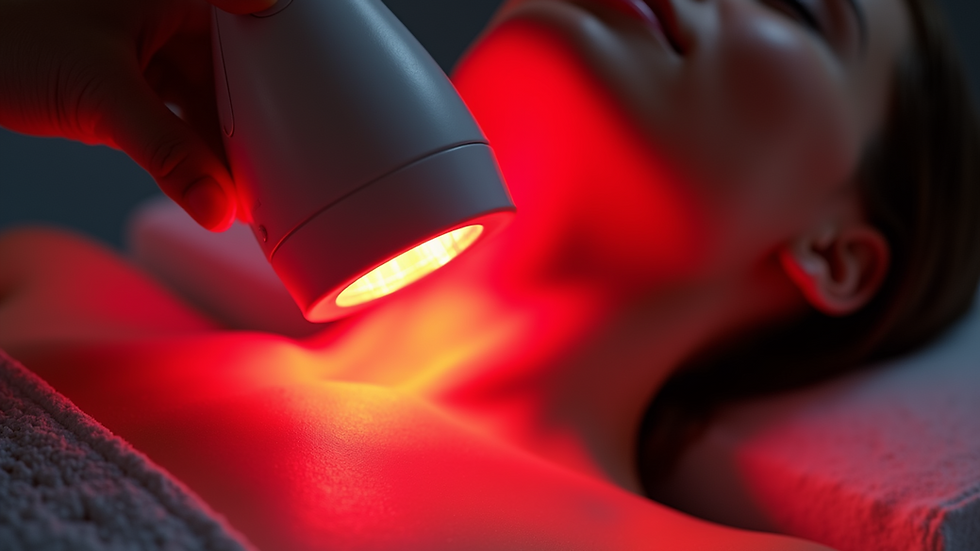
How Red Light Therapy Supports Different Types of Healing
Red light therapy can support healing in several ways. Here are some specific examples:
Wound Healing: Studies show that red light can speed up the healing of cuts, scrapes, and surgical wounds. It helps by increasing blood flow to the area and stimulating collagen production, which is essential for skin repair.
Pain Relief and Inflammation Reduction: If you suffer from chronic pain or inflammation, red light therapy may help reduce discomfort. It calms the inflammatory response and promotes tissue repair, which can ease conditions like arthritis or muscle soreness.
Skin Health: Beyond healing injuries, this therapy can improve skin tone and texture. It encourages the production of new skin cells and collagen, which can reduce wrinkles and scars.
Muscle Recovery: Athletes and active individuals often use red light therapy to recover faster from workouts. It helps reduce muscle fatigue and soreness by improving circulation and cellular energy.
To get the best results, consistency is key. Regular sessions over several weeks often provide noticeable improvements.
Does Red Light Therapy Work for Cold Sores?
Cold sores can be painful and frustrating. They are caused by the herpes simplex virus and usually take several days to heal. Some people wonder if red light therapy can help speed up this process.
Research suggests that red light therapy may reduce the duration and severity of cold sores. The light helps by boosting the immune response in the affected area and promoting faster tissue repair. It can also reduce inflammation and pain associated with outbreaks.
If you experience frequent cold sores, incorporating red light therapy into your care routine might offer relief. However, it’s important to use the therapy correctly and avoid overexposure. Consulting with a healthcare provider or a wellness specialist can help you develop a safe and effective plan.

Practical Tips for Using Red Light Therapy at Home or in a Clinic
If you’re considering red light therapy, here are some practical tips to help you get started:
Choose the Right Device: Look for devices that emit wavelengths between 600 and 900 nanometers. These are the most effective for healing purposes.
Follow Recommended Session Times: Typical sessions last between 10 and 20 minutes. Overuse can cause skin irritation, so stick to guidelines.
Maintain Consistency: Healing takes time. Aim for sessions 3-5 times per week for several weeks to see benefits.
Protect Your Eyes: Although red light is safe, it’s best to avoid staring directly into the light. Use protective eyewear if recommended.
Combine with Other Healthy Habits: Support your healing by staying hydrated, eating nutritious foods, and getting enough rest.
Consult Professionals: If you have specific health concerns, talk to a wellness expert who can tailor the therapy to your needs.
By following these steps, you can safely incorporate red light therapy into your wellness routine.
Why Choose a Holistic Approach to Healing?
Healing is not just about treating symptoms. It’s about supporting your whole body and mind. A holistic approach considers all aspects of your health, including nutrition, stress management, and physical activity.
Red light therapy fits well into this approach because it works with your body’s natural processes. It doesn’t rely on drugs or invasive procedures. Instead, it encourages your cells to heal themselves.
At places like Whitfield Wellness Hub, you can find personalized care that combines red light therapy with other holistic treatments. This kind of support can be especially helpful if you’re dealing with fatigue, hormone imbalances, or chronic conditions.
Taking a gentle, steady path to healing can make a big difference in how you feel day to day.
Embracing Healing with Red Light Therapy
If you’re ready to explore new ways to support your health, healing with red light therapy might be a good option. It’s safe, non-invasive, and backed by growing scientific evidence. Whether you want to speed up recovery from an injury, reduce pain, or improve your skin, this therapy offers a promising tool.
Remember, healing is a journey. Be patient with yourself and seek out trusted professionals who can guide you. With the right care and consistent effort, you can help your body heal more effectively and enjoy a better quality of life.
I encourage you to learn more about this therapy and consider how it might fit into your wellness routine. Your body deserves the best support possible, and sometimes, a little light can go a long way.


Comments