
Healing with Red Light Therapy: How It Supports Your Body’s Recovery

In recent years, healing with red light therapy has gained popularity as a non-invasive treatment option for various health concerns. This innovative approach uses specific wavelengths of red and near-infrared light to stimulate the body’s natural healing processes. Whether you are recovering from an injury, managing chronic pain, or looking to improve skin health, this therapy offers promising benefits. This article explores how red light therapy supports healing, its mechanisms, practical applications, and what you can expect from treatment.
Understanding Healing with Red Light Therapy
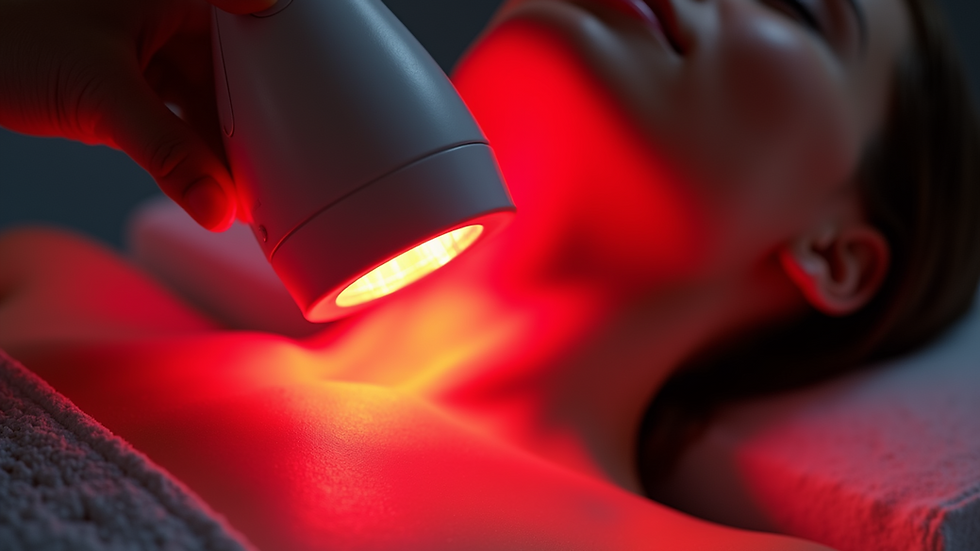
Red light therapy involves exposing the skin to low levels of red or near-infrared light. Unlike ultraviolet light, which can damage the skin, red light penetrates deep into tissues without causing harm. This light energy is absorbed by the mitochondria in cells, which are responsible for producing energy. When mitochondria absorb this light, they become more efficient at generating adenosine triphosphate (ATP), the molecule that powers cellular functions.
Increased ATP production leads to enhanced cell repair and regeneration. This process can reduce inflammation, promote collagen production, and improve blood circulation. These effects collectively support faster healing of wounds, muscle recovery, and skin rejuvenation.
Practical Benefits of Red Light Therapy
Accelerates wound healing by stimulating tissue repair.
Reduces inflammation in muscles and joints.
Improves skin texture and reduces wrinkles.
Enhances circulation to promote oxygen and nutrient delivery.
Relieves pain associated with arthritis and injuries.
Because of these benefits, many healthcare providers and wellness centers now offer red light therapy as part of their treatment options.

How Healing with Red Light Therapy Works in the Body
The healing effects of red light therapy are rooted in its ability to influence cellular function. When red or near-infrared light penetrates the skin, it reaches the mitochondria inside cells. This triggers a series of biological responses:
Increased ATP Production: Cells receive more energy to perform repair and regeneration.
Reduced Oxidative Stress: The therapy helps neutralize harmful free radicals that can damage cells.
Enhanced Collagen Synthesis: Collagen is essential for skin elasticity and wound healing.
Improved Blood Flow: Red light stimulates the formation of new capillaries, improving oxygen and nutrient delivery.
Modulation of Inflammation: It helps balance inflammatory responses, reducing swelling and pain.
These mechanisms make red light therapy effective for a wide range of conditions, from skin issues to musculoskeletal injuries.
Tips for Maximizing Therapy Benefits
Use the therapy consistently, following recommended session lengths.
Combine with other treatments like physical therapy or skincare routines.
Protect your eyes during treatment with appropriate goggles.
Consult a healthcare professional to tailor the therapy to your needs.
Does Red Light Therapy Work for Cold Sores?
Cold sores, caused by the herpes simplex virus, are painful and often recurrent. Traditional treatments focus on antiviral medications to reduce outbreaks and symptoms. However, red light therapy has shown potential as a complementary approach to managing cold sores.
Research indicates that red light therapy can:
Speed up healing time by promoting tissue repair.
Reduce pain and inflammation associated with cold sores.
Limit the severity of outbreaks when used early.
The light penetrates the skin and stimulates cellular activity, which helps the immune system respond more effectively to the viral infection. While it is not a cure for herpes simplex virus, red light therapy can be a valuable tool to ease symptoms and support faster recovery.
How to Use Red Light Therapy for Cold Sores
Begin treatment as soon as you notice tingling or early signs of a cold sore.
Apply the light directly to the affected area for the recommended duration.
Repeat sessions daily until the sore heals.
Maintain good hygiene to prevent spreading the virus.
Always consult with a healthcare provider before starting any new treatment for cold sores.

Practical Applications of Red Light Therapy for Healing
Red light therapy is versatile and can be used in various settings, including clinics, wellness centers, and at home with portable devices. Here are some common applications:
Skin Healing and Rejuvenation
Treats acne scars, wrinkles, and sun damage.
Stimulates collagen production for firmer skin.
Reduces redness and inflammation in skin conditions like rosacea.
Muscle and Joint Recovery
Eases muscle soreness after workouts.
Reduces joint pain from arthritis or injuries.
Speeds up recovery from sprains and strains.
Wound Care
Promotes faster closure of cuts and surgical wounds.
Reduces scar formation.
Enhances tissue regeneration in chronic wounds like diabetic ulcers.
Pain Management
Alleviates chronic pain conditions.
Supports nerve regeneration in neuropathy.
Complements physical therapy for better outcomes.
How to Choose a Red Light Therapy Device
Look for devices emitting wavelengths between 600-900 nm.
Ensure the device has sufficient power output for effective treatment.
Consider size and portability based on your needs.
Check for safety certifications and user reviews.
What to Expect During and After Treatment
Red light therapy sessions are typically painless and non-invasive. Treatment times vary but usually last between 5 to 20 minutes per area. You may feel a gentle warmth but no discomfort.
After treatment, many people notice:
Reduced pain and stiffness.
Improved skin tone and texture.
Faster healing of wounds or injuries.
Enhanced overall sense of well-being.
For best results, multiple sessions over several weeks are often recommended. Consistency is key to unlocking the full healing potential.
If you are interested in exploring this therapy, consider visiting a professional center that offers red light therapy to receive expert guidance and treatment.
Embracing the Future of Healing
The science behind red light therapy continues to evolve, with ongoing studies exploring new applications and benefits. As a safe and natural treatment, it offers a promising alternative or complement to traditional healing methods.
Whether you are dealing with chronic pain, skin concerns, or recovery from injury, healing with red light therapy can be a valuable part of your wellness journey. By understanding how it works and using it correctly, you can support your body’s natural ability to heal and thrive.
Explore the possibilities and consider integrating this innovative therapy into your health routine for a brighter, healthier future.


Comments